The single most important thing to check on a new digital radio is that it receives DAB+, not only DAB. DAB+ is the newer, more efficient version of digital radio, and in the UK more and more stations use it. A radio that only receives the older DAB standard will miss those stations, however good it sounds.
After that, the choice is about where the radio will live. A small clock radio suits a bedside table, a portable radio with a battery suits the kitchen and garden, and a larger music system with a CD player or Bluetooth suits a living room. Extra features such as internet radio, Bluetooth and alarms are useful, but only if you will use them.
You will find all of these types in the DAB radio range. Note that some listings there are accessories such as power adapters and aerials, so check the title before you compare prices.
DAB, DAB+ and FM
| Standard | What it is | Why it matters |
|---|---|---|
| FM | Analogue radio | Still broadcast in the UK; useful as a backup |
| DAB | The original digital standard | Most national stations, but uses capacity less efficiently |
| DAB+ | The upgraded digital standard | More stations in the same space; needs a DAB+ radio |
DAB+ uses the same transmitters as DAB but encodes the sound differently, which is why older DAB-only radios cannot play DAB+ stations. Digital Radio UK says that over 180 stations broadcast on DAB+, and several well known national stations have moved to it. Some older models can be updated through a firmware download, so check with the manufacturer if you already own one.
When you buy, look for the Digital Radio Tick Mark on the product or packaging. It shows that the radio receives DAB, DAB+ and FM. If a listing does not show the mark, read the description and make sure it says DAB+ clearly.
FM is not going away soon either. The UK government has said there will be no FM switch-off before at least 2030, so a radio with FM as well as DAB+ covers both.
Portable, mains or both
- Mains only: usually cheaper for the same sound, and you never need to charge it. Best for a fixed spot.
- Rechargeable battery: move it from the kitchen to the garden or the shed. Check the listed battery life and whether it charges by USB.
- AA batteries: handy for camping and power cuts, but digital radios use more power than old FM sets, so rechargeable batteries are worth having.
- Mains plus battery: the most flexible option for a radio that lives in one room most of the time but travels occasionally.
If a radio comes with a separate mains adapter, keep it safe. Replacement adapters are sold separately, and the wrong voltage or plug size can damage the radio.
Types of DAB radio
- Clock and alarm radios: compact, with alarms, snooze and a dimmable display. Look for a display that dims enough not to disturb sleep.
- Personal and pocket radios: small and battery powered, used with headphones such as in-ear headphones. Good for walks, sports and commuting.
- Kitchen and portable radios: mid-size, a handle or strap, often splash resistant, with a battery or mains. The most popular type.
- Internet and smart radios: DAB+ and FM plus internet radio through Wi-Fi, and sometimes streaming services and Bluetooth. Access to thousands of stations, including ones from abroad.
- Music systems: DAB+ with a CD player, Bluetooth or USB, and larger speakers. These sit somewhere between a radio and a hi-fi, and you will find them alongside other stereo equipment in the speakers range.
Features worth checking
- Presets: buttons or memory slots for your favourite stations. Five to ten is plenty for most people.
- Display: a colour screen can show station names, track details and artwork; a simple backlit display is easier to read at a glance.
- Bluetooth: lets the radio play music or podcasts from your phone, which turns it into a small speaker as well.
- Headphone socket: useful for bedrooms and shared rooms.
- Aerial: a telescopic aerial helps in weaker signal areas. Check coverage for your postcode on the broadcasters’ coverage checkers before you buy, especially in rural areas.
- Sound: two speakers for stereo, or a single larger driver for clearer speech in a kitchen. Tone controls or an equaliser help in echoey rooms.
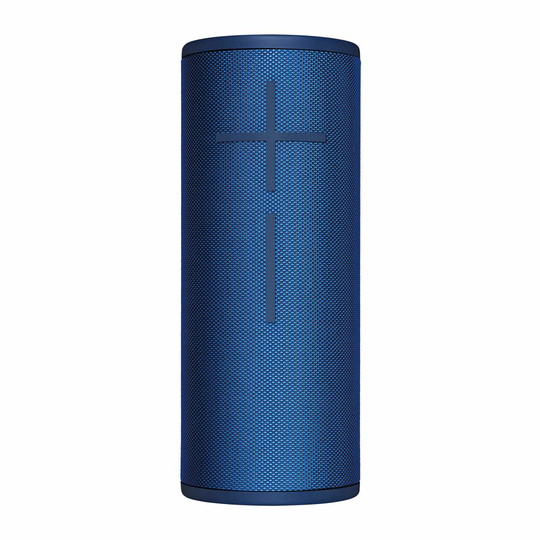
If you mainly want music from your phone and only occasional radio, a Bluetooth speaker may suit you better than a radio.
Quick checklist
- DAB+ as well as DAB and FM, ideally with the Digital Radio Tick Mark.
- Power to suit the room: mains, rechargeable or both.
- Type: clock, personal, kitchen, internet or music system.
- Enough presets and a display you can read.
- Bluetooth or internet radio only if you will use them.
- Coverage checked for your area, with a good aerial for weak signals.
- The title read carefully, so you compare radios and not accessories.
Common questions
Will my old DAB radio stop working?
It will keep receiving stations that broadcast on DAB and FM, but it cannot play stations that use DAB+. Some models can be updated with new firmware; otherwise you need a DAB+ radio for those stations.
Is internet radio better than DAB+?
It gives you far more stations, including from other countries, but it needs Wi-Fi and some features depend on online services. DAB+ works anywhere there is signal and needs no setup beyond a scan. Many smart radios offer both.
Why does my DAB radio lose signal in some rooms?
Digital signals are weakened by thick walls and metal. Fully extend the aerial, move the radio nearer a window and run a full rescan. If reception is still poor, FM may work better in that spot.