Noise Cancelling Headphones: What to Look for Before You Buy
- 05 Jul, 2026
Whether you are on a long flight, commuting by train or trying to focus in a busy office, background noise can be tiring. Noise cancelling headphones help you shut out the hum and enjoy music, podcasts or simply a bit of quiet. They come in many shapes and price ranges, so it pays to understand what you are buying.
How noise cancelling works
There are two kinds of noise reduction, and most good headphones use both.
- Passive isolation comes from the physical design: well-sealed ear cushions or ear tips that block sound from reaching your ears.
- Active noise cancelling (ANC) uses small microphones to pick up surrounding sound. The headphones then create an opposing sound wave that reduces it before it reaches you.
ANC is most effective against steady, low sounds such as engine noise, air conditioning and traffic rumble. Sudden or high-pitched sounds, like voices or a baby crying, are harder to cancel completely, so a good passive seal still matters.
Over-ear or in-ear?
Both styles can offer effective noise cancelling. The right choice depends on how and where you listen.
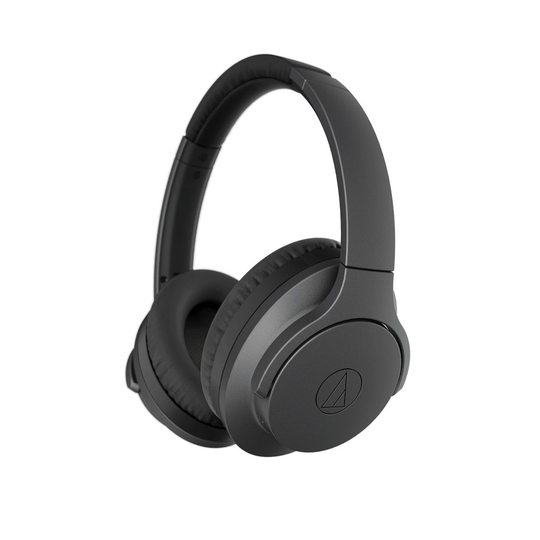
- Over-ear headphones cover the whole ear. They are usually comfortable for long sessions and often have larger batteries. Models such as these wireless noise cancelling headphones are a popular style for travel and work.
- In-ear earbuds are small, light and easy to carry in a pocket. They are handy for the gym and short trips, but the fit of the ear tips has a big effect on how well they block noise.
If you are still deciding between a headset for games and headphones for music, our article on gaming headsets vs regular headphones explains the main differences.
What to check before buying
- Comfort. Check the weight, the padding on the headband and how much the headphones press on your head. If you wear glasses, look for soft cushions that seal around the frames.
- Battery life. Noise cancelling uses power, so check the stated battery life with ANC switched on. A quick-charge feature is useful if you often forget to charge.
- Transparency or ambient mode. This lets outside sound in when you need it, such as listening to announcements or talking to someone, without taking the headphones off.
- Microphone quality. If you take calls, look for headphones designed to pick up your voice clearly.
- Connections. Many wireless headphones also come with a cable, which is helpful for in-flight entertainment systems or when the battery runs low.
- Controls. Physical buttons are easy to use by touch, while touch panels can be more compact. Try to choose controls you find intuitive.
Using them safely and looking after them
- Keep the volume at a moderate level. One advantage of noise cancelling is that you do not need to turn music up to drown out the background.
- Use transparency mode or remove the headphones when walking near traffic or cycling.
- Store them in their case to protect the hinges and cushions.
- Wipe ear cushions and ear tips regularly, and replace worn cushions to keep a good seal.
To compare over-ear and in-ear options, browse our noise cancelling category and find a pair that suits your daily routine.